Our Safari Divisions

Safari

Tanzania Safaris

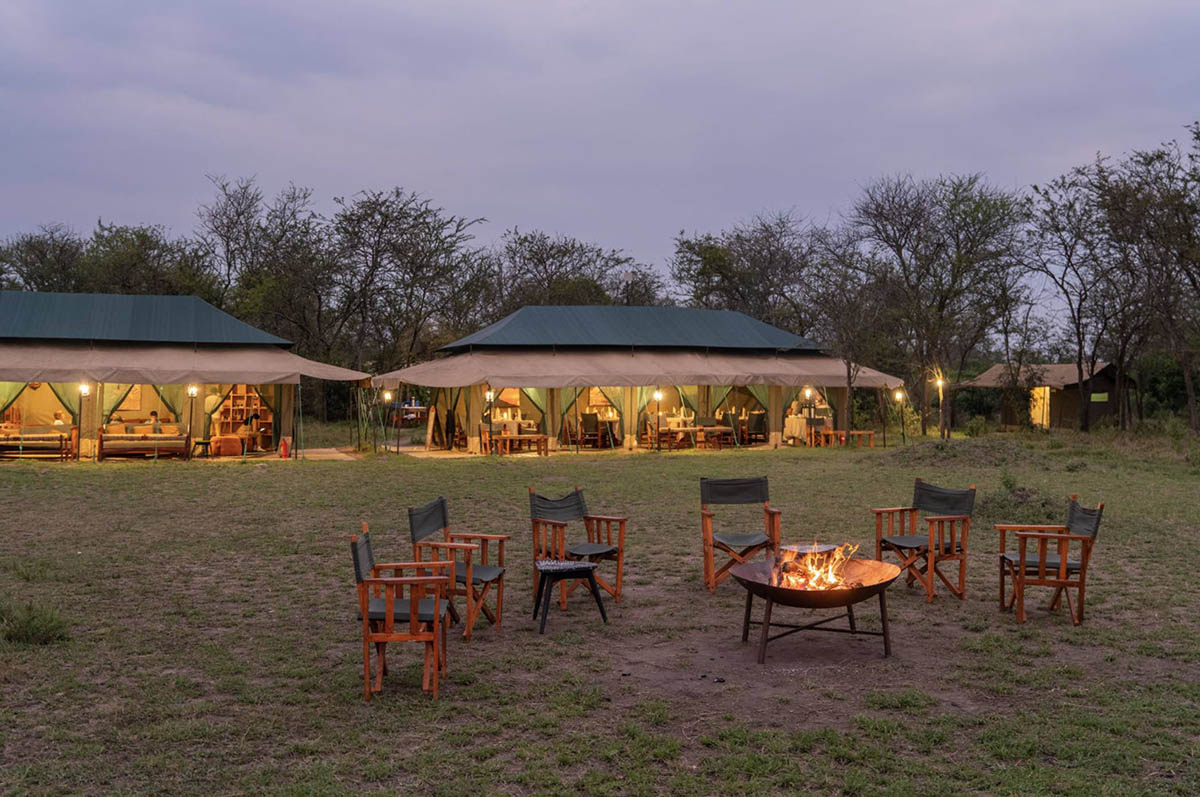
Top Climbers Expedition offer 4 division of safari; named as super luxury lodges/camps safari, luxury lodges/camps safari, mid-range lodges/camps safari as well as basic camping safari.

Tanzania Budget Camping Safaris

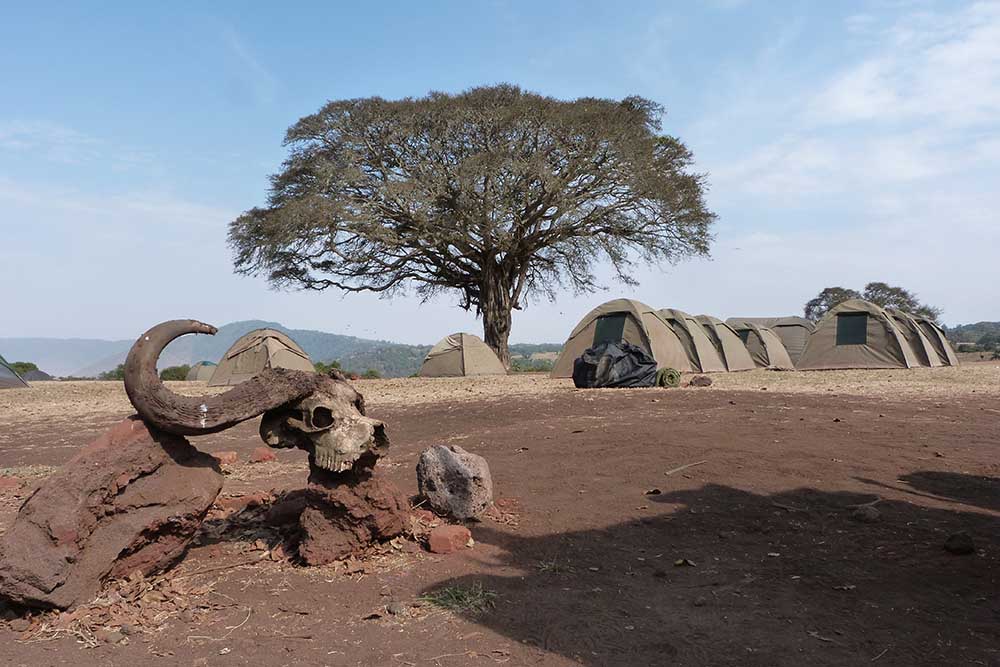
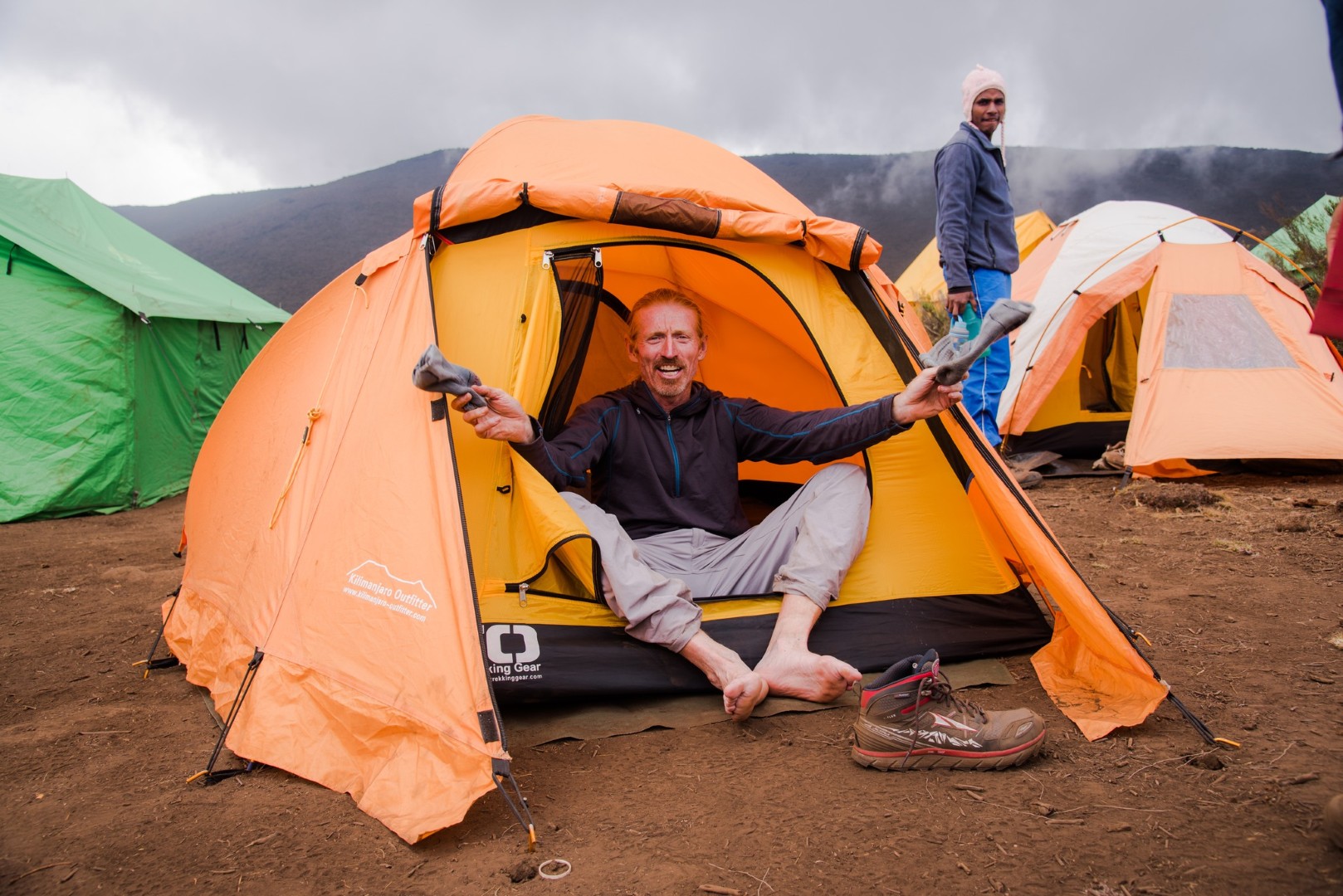
Budget camping safari is the ideal way for those who like to “rough it” as we provide mostly bivouac pop-up tents for accommodation whereby mattresses are laid on the sewn-in ground sheet. The tents are spacious enough for two people and they have a mesh on each window to keep off insects. Basic washroom facilities are available in the public campsites, and are shared by everyone at the campsite. Campsites are the most basic of accommodations in terms of facilities and amenities. However, out here you will most likely have the most authentic experience and get as close to nature as nowhere else.

Tanzania Mid-Range Safaris

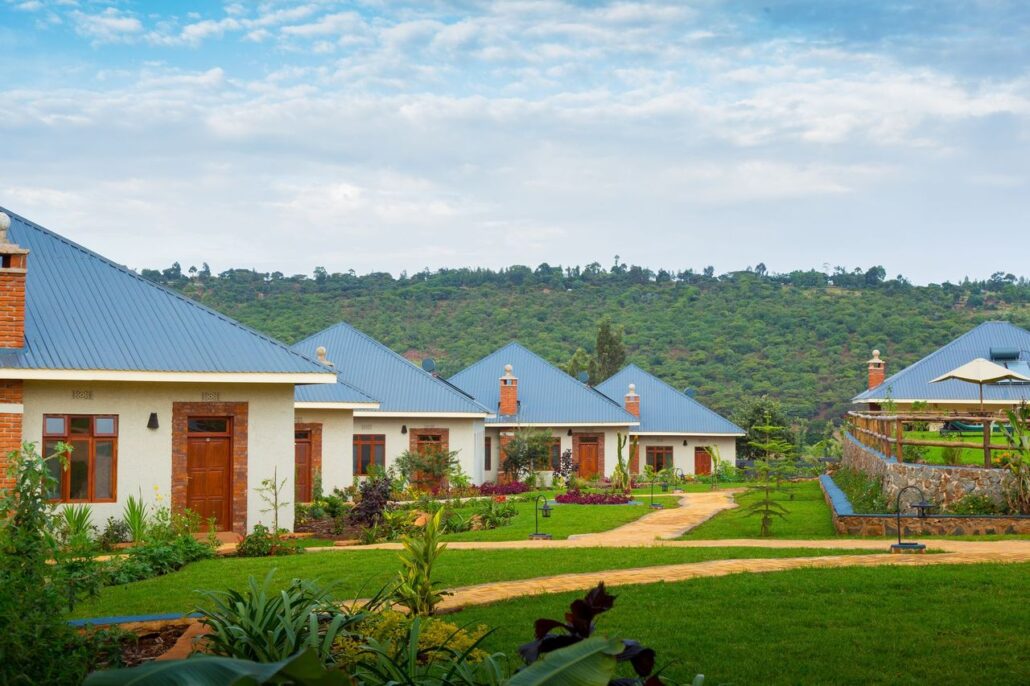
Our Super Mid-range lodges/camps safari offers two to three-star services. It provides the bare essentials with some comfort quality. In addition to the comfort and hygiene essentials, the amenities for the guest are of a significantly higher quality and appeal than to that of a 1 Star Hotel

Tanzania Luxury Safaris

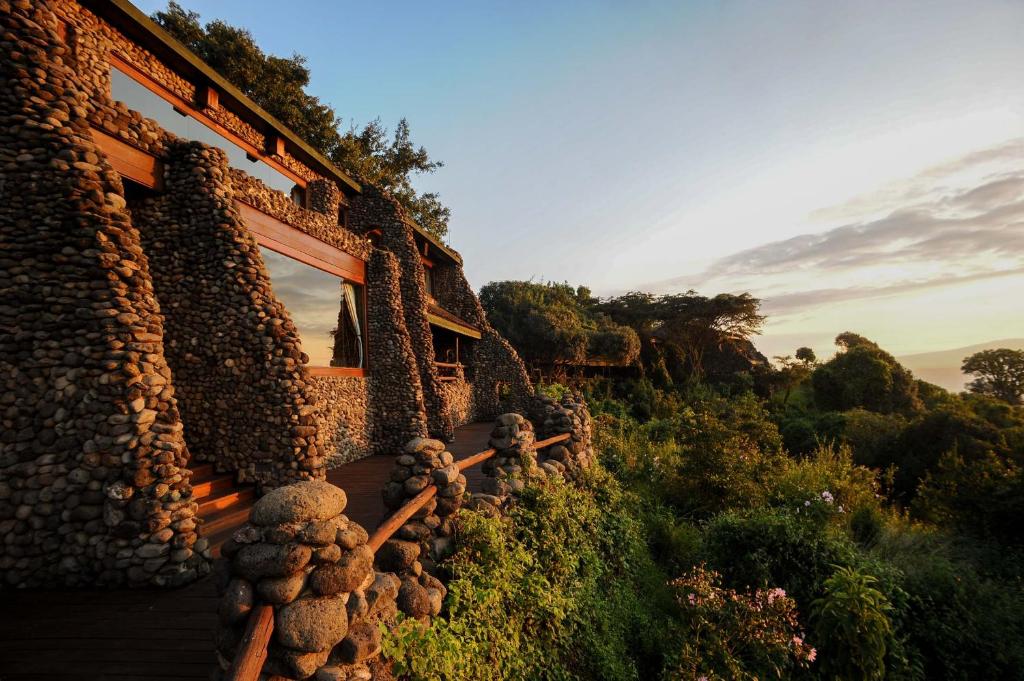
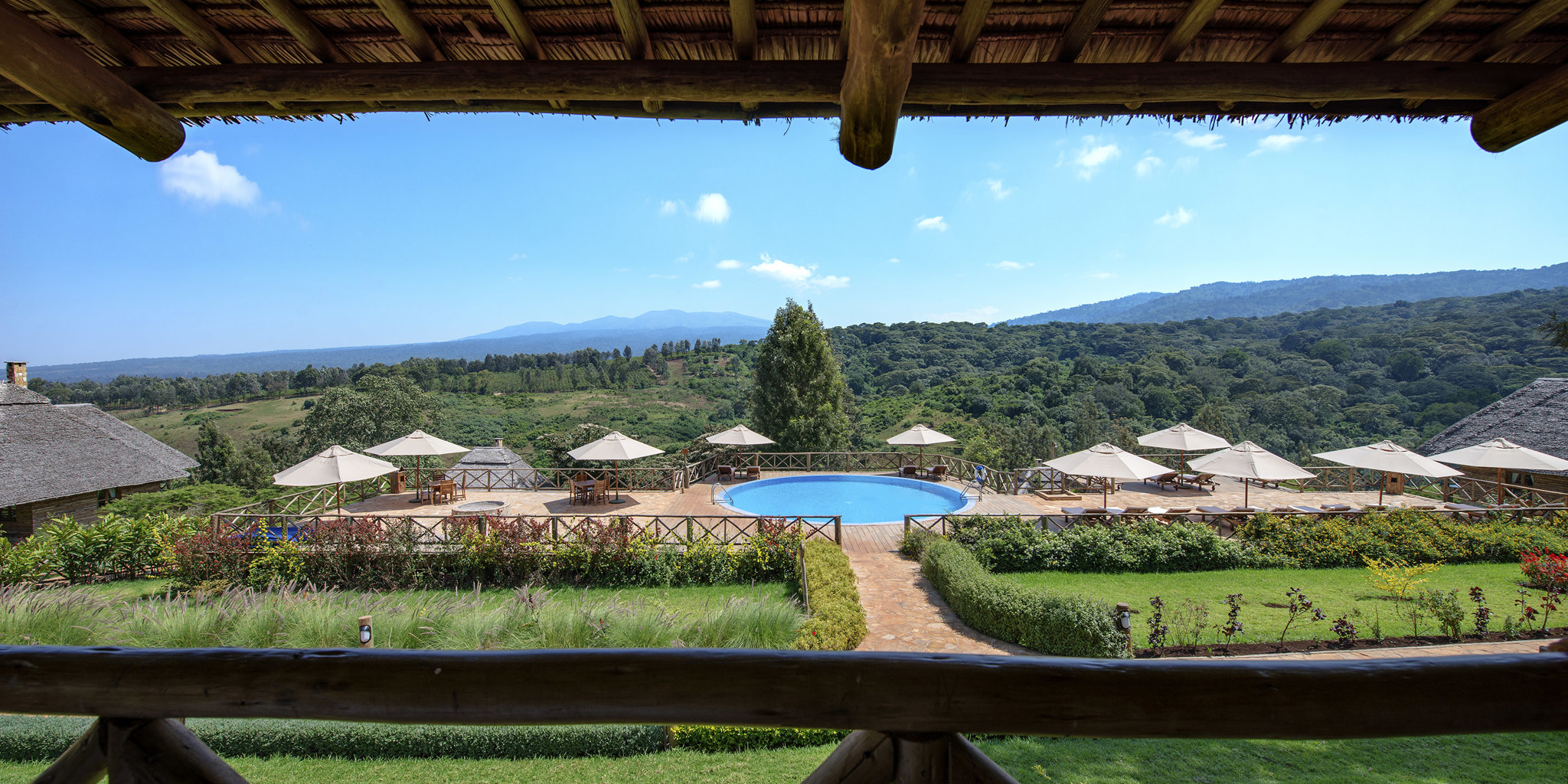
Our luxury lodges and camps offer an exceptional balance of comfort, style, and attentive service. Guests enjoy a refined experience supported by warm hospitality and thoughtfully designed spaces. Each property provides a generous selection of amenities, comfortable rooms, and inviting communal areas that enhance every moment of the stay. The décor reflects high-quality craftsmanship, while the atmosphere remains relaxed and welcoming. Service throughout your journey focuses on creating a memorable and enjoyable experience, ensuring you feel cared for from the moment you arrive.
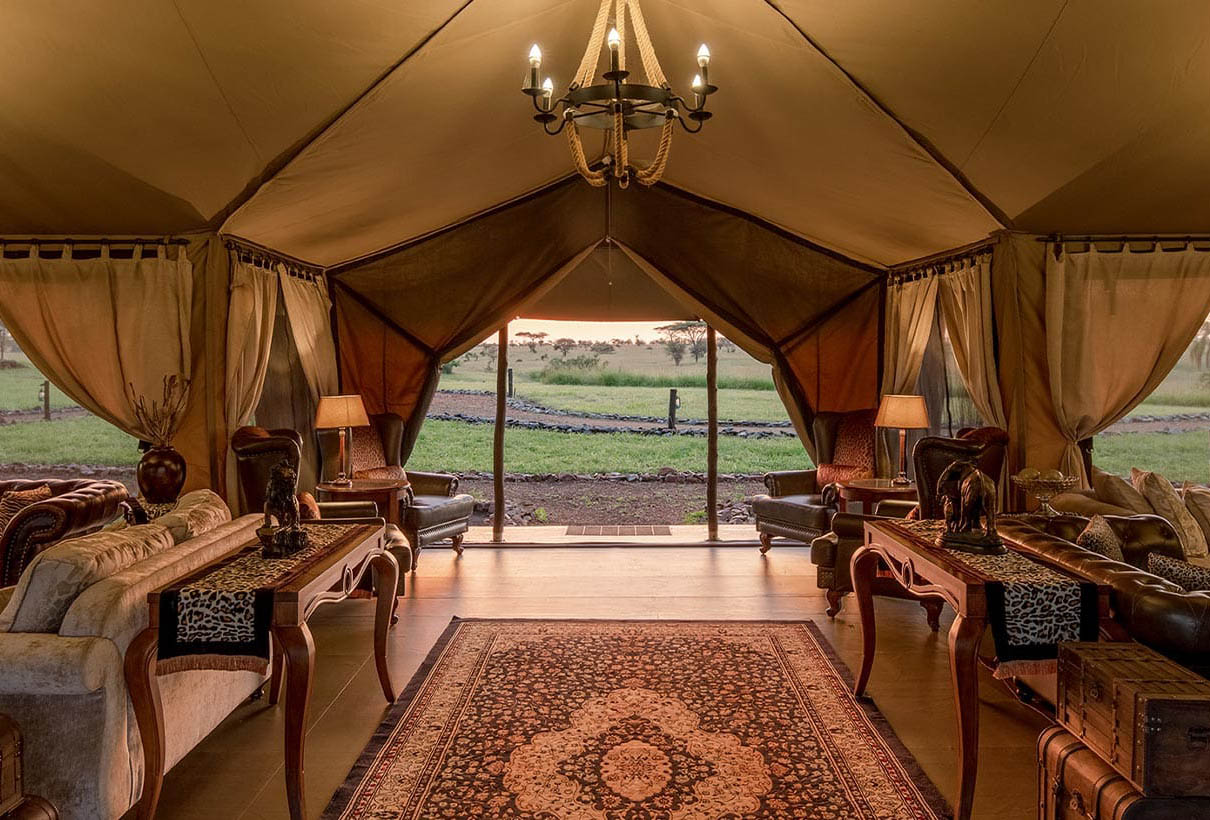
Tanzania Super Luxury Safaris

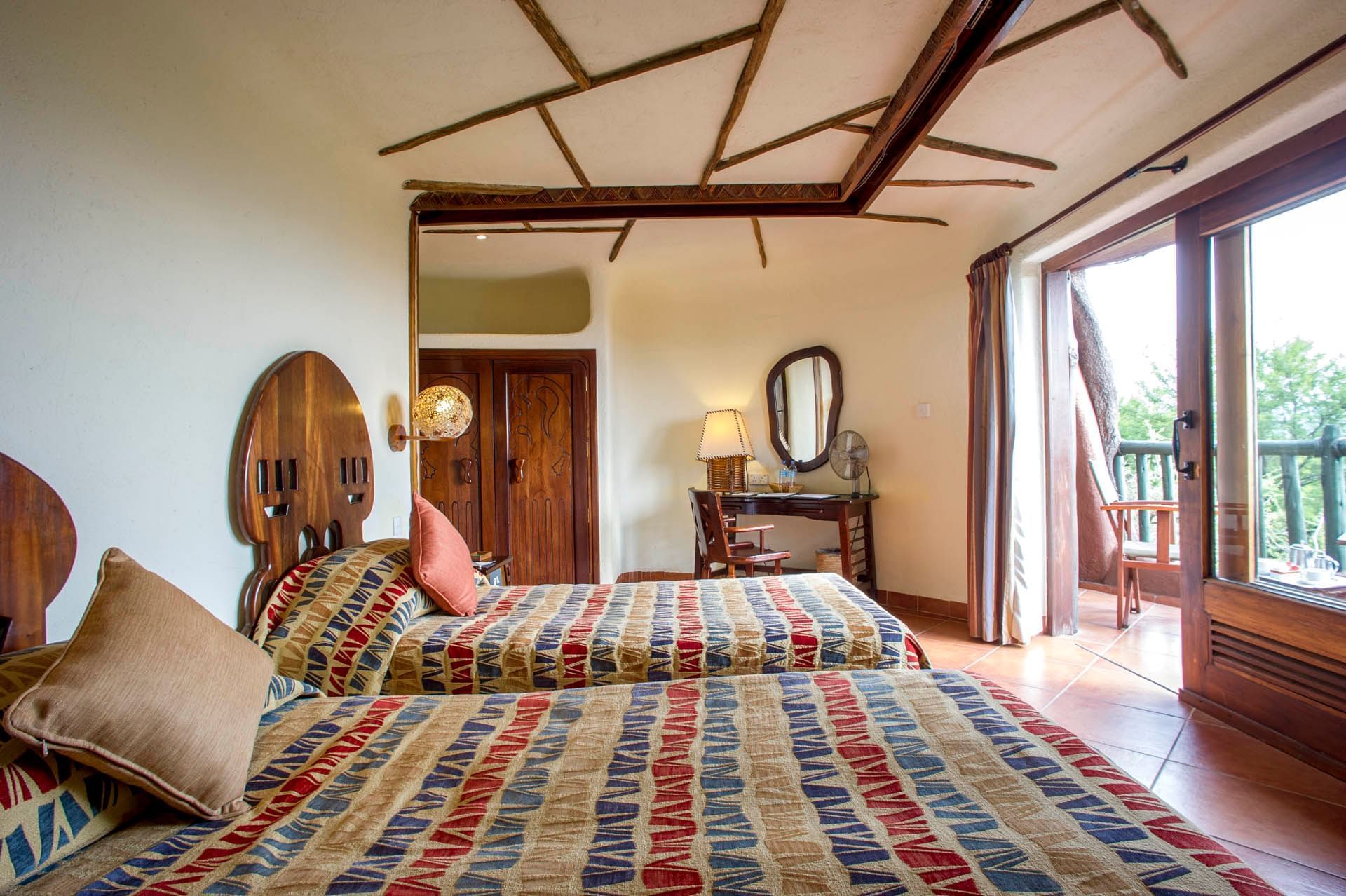
Our Super Luxury lodges and camps deliver an extraordinary level of elegance, comfort, and exclusivity. Guests enjoy exceptional service supported by premium amenities, beautifully crafted interiors, and world-class attention to detail. Every space is designed to offer absolute indulgence, from the spacious suites to the thoughtfully curated dining experiences. In addition to superior comfort and flawless hygiene, each property provides an exceptional range of high-end facilities that far exceed standard luxury expectations. The overall experience reflects the highest level of sophistication and personalized care.
Safari Accommodation Differences

Safari

Safari Lodges

Safari lodges are larger, permanent structures built of brick and mortar. Lodges are smaller than hotels but have the same full amenities and similar facilities such as restaurants and swimming pools. The safari lodges range from three-star levels to ultimate five-star luxury.

Safari Tented Camp

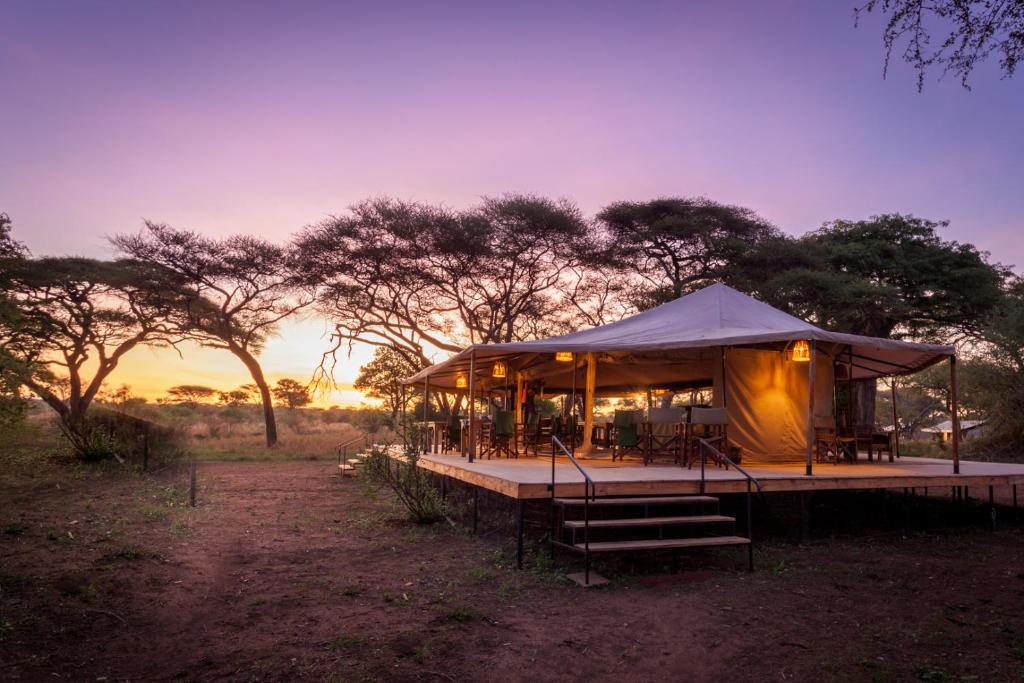
Tented camps are made up of large, walk in, canvas tents set up on permanent frames. These camps are generally smaller than lodges and have the amenities similar to that of a lodge or hotel such as separate en-suite bathrooms, restaurants and swimming pools. The tented camps aim to provide all the comforts of a lodge while giving guests a smaller, intimate, tented yet luxurious safari experience. Same it ranges from three-star levels to ultimate five-star luxury.


Safari mobile camp

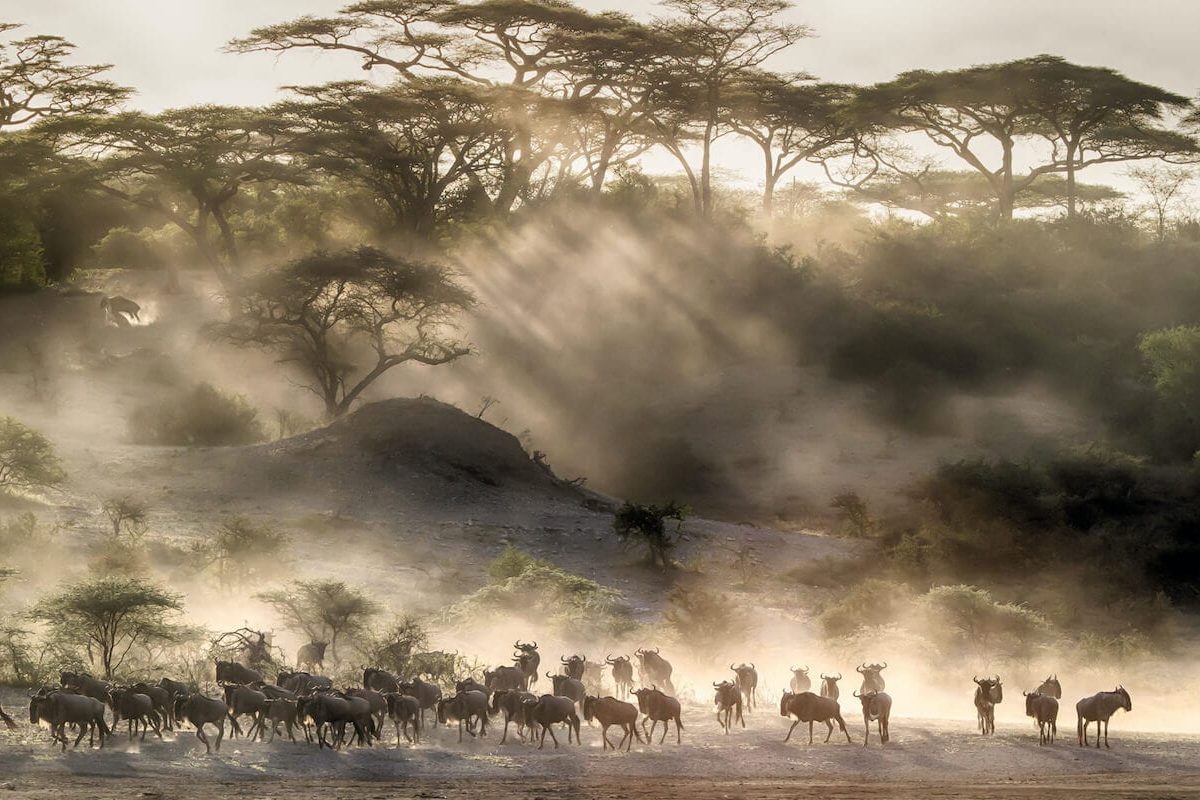
These small, intimate camps move around, following herds of migratory animals. Camp operators construct semi-permanent camps that are constructed in the open bush. There are no barriers and animals can roam free but these mobile camps are safe and guests’ safety is a top priority. The camps are fully serviced by a permanent staff and the camps aim to offer up a luxury experience in the wilderness. Meals are served by a camp chef and eaten in the ambience of Africa, water is heated by staff for bathing, and generators power the mobile camps. When staying in a tented camp, guests have the opportunity to truly connect with nature. December – April mobile tents are set in Ndutu areas, May to June – North and west Serengeti, July to October – North Serengeti.
Budget Camps

Budget camping fits in the tented camps category. The experience is however completely different, making it deserve to be regarded separately.

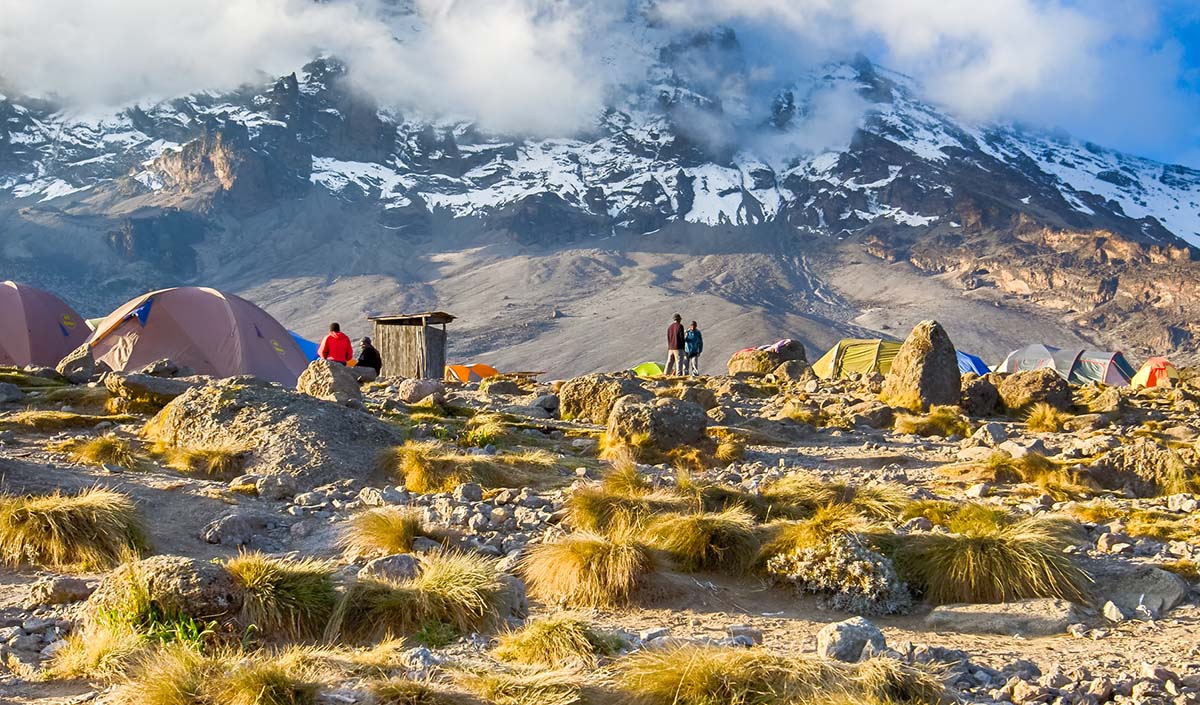
You get to stay in public campsites, inside bivouac tents, sleeping on mattresses laid on the tent floor, or in sleeping bags. Basic washroom facilities are available in the public campsites, and are shared by everyone at the campsite. Campsites are the most basic of accommodations in terms of facilities and amenities. However, out here you will most likely have the most authentic experience and get as close to nature as nowhere else.

There are two types of budget campsites

Public campsites

A public campsite, there may be other travelers camping on the same site as you. There is an ablution block with showers and toilets. While you share the ablution block with other campers, showers and toilets are arranged as single cabins. There will be a kitchen block where meals are prepared, and dishes washed by your camping crew.

Private campsites

A private campsite, is in essence just a bare field, cleared of vegetation – that’s it. There are no permanent structures, no buildings and most importantly – no other people far and wide. All equipment, all food is brought by our team and nothing is left behind. The only thing that will separate you from nature and the wild, is the canvas of your tent.

The Best Times for Safari in Tanzania

Safari

Planning the perfect Tanzania safari requires considering the best time to visit each park to maximize wildlife sightings and enhance your overall experience. In this detailed article, we explore the optimal times to visit Tanzania’s top national parks and highlight the unique offerings and seasonal highlights of each destination. We also mention moderately good times to visit and periods when it is not recommended to ensure you make the most informed decision.

Serengeti National Park

Best Time: December to July

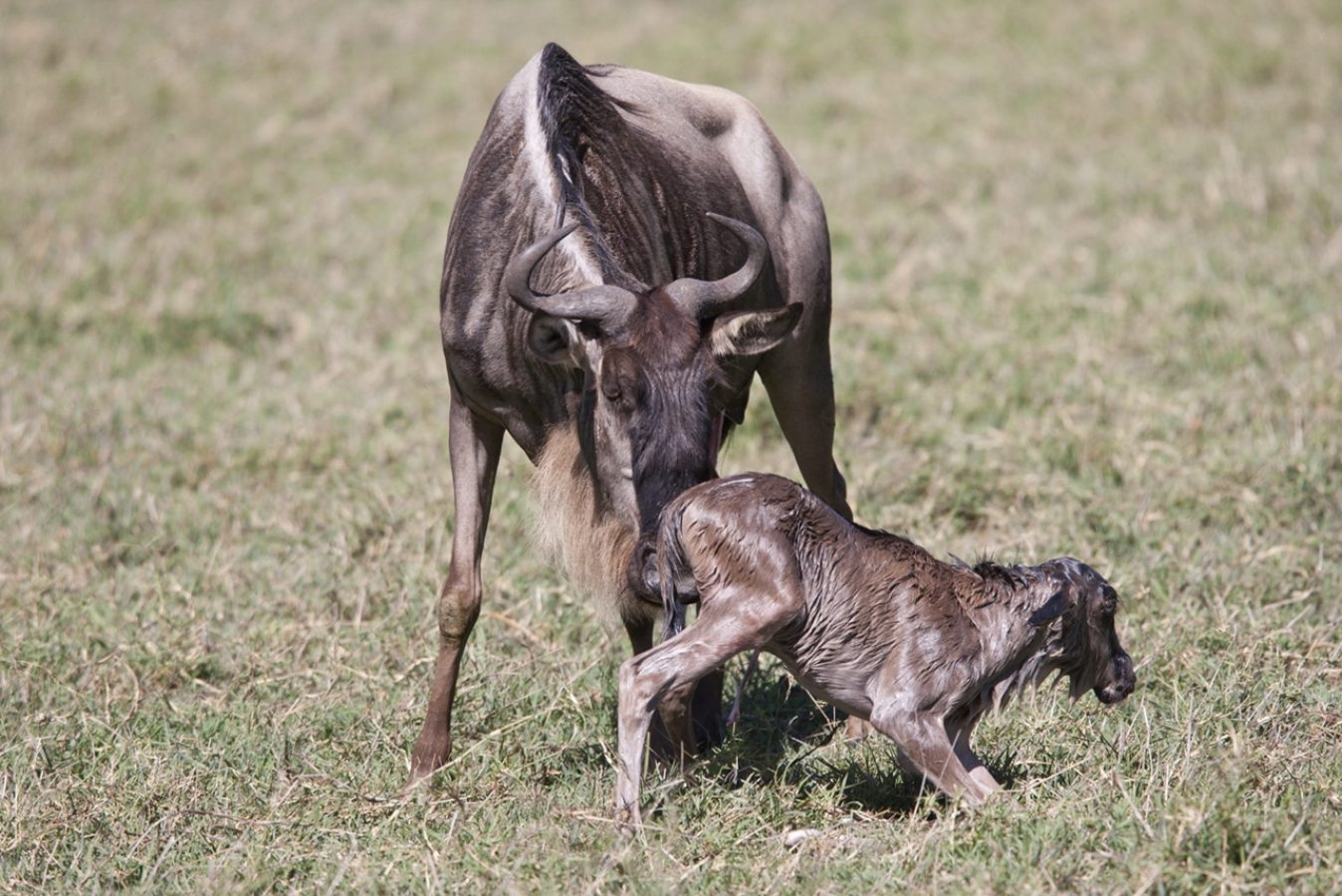
  • December to March (Calving Season): Witness the remarkable wildebeest calving season in the southern Serengeti and Ndutu area, with predators in abundance.
  • June to July (Great Migration): Experience the awe-inspiring Great Wildebeest Migration as the herds cross the Grumeti River and venture into the northern Serengeti.
  • Moderately Good Time: November, August, September
  • Not Recommended: April to October (Rainy Season)
tanzania budget camping safari

Ngorongoro Conservation Area

Best Time: January to February, June to September

  • January to February: Enjoy clear skies and excellent visibility for game viewing in the Ngorongoro Crater, home to a high concentration of wildlife.
  • June to September: Experience the dry season, when animals gather around water sources, increasing the chances of spotting the Big Five.
  • Moderately Good Time: December, March to May
  • Not Recommended: October to November (Rainy Season)

Tarangire National Park

Best Time: June to October

  • June to October: Witness large herds of elephants gathering around the Tarangire River as it becomes the primary water source during the dry season. Game drives offer excellent opportunities to spot diverse wildlife species.
  • Moderately Good Time: November to May
  • Not Recommended: None
manyara (2)

Lake Manyara National Park

Best Time: July to October

  • July to October: Explore the park during the dry season when animals concentrate around Lake Manyara, providing thrilling opportunities to observe tree-climbing lions, elephants, giraffes, and birdlife.
  • Moderately Good Time: November to June
  • Not Recommended: None

Considerations

  • Weather and Seasonality: Tanzania’s dry season (June to October) generally offers the best game viewing opportunities, while the wet season (November to May) brings lush landscapes and fewer tourists.
  • Wildlife Migration: Plan your visit to coincide with the Great Wildebeest Migration for a remarkable spectacle in the Serengeti and Maasai Mara.
  • Birdwatching: Bird enthusiasts may prefer visiting during the wet season when migratory bird species are present, adding to the overall biodiversity of the parks.

Tanzania’s national parks offer extraordinary safari experiences throughout the year. By understanding the best times to visit each park, along with the moderately good times and periods to avoid, you can tailor your safari adventure to witness the unique highlights and maximize your chances of encountering the incredible wildlife that calls these parks home.

Our Safari Vehicles

Safari

Our Safari Vehicles

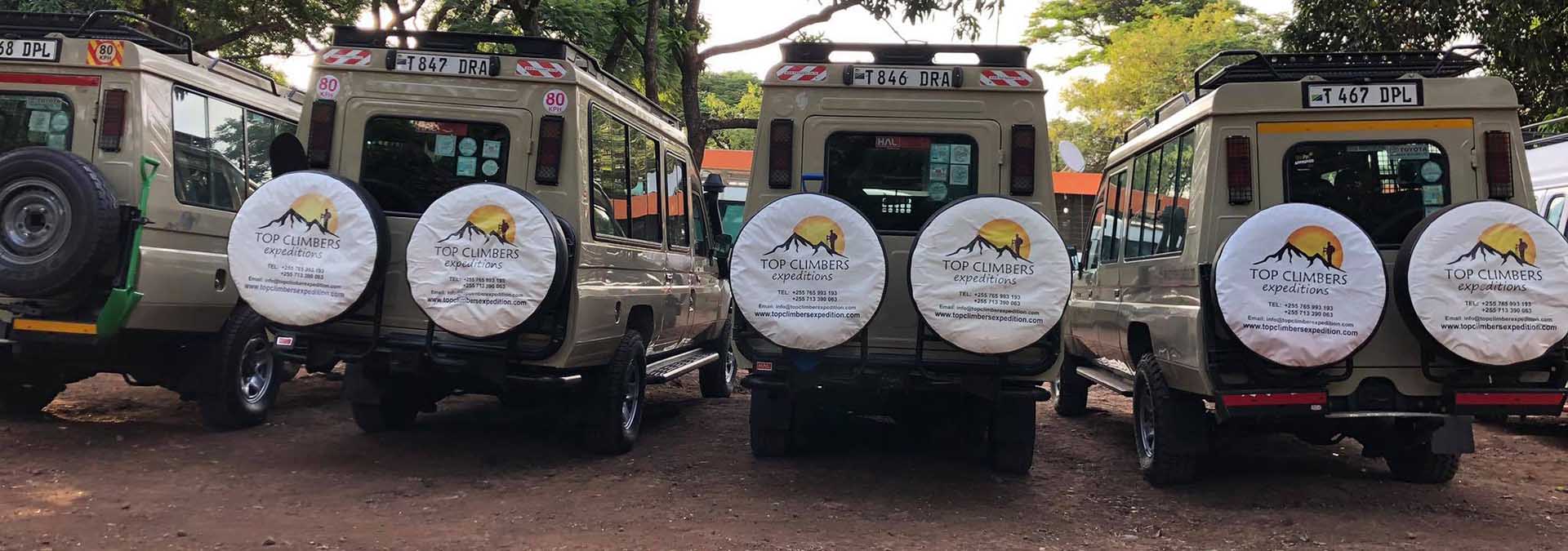
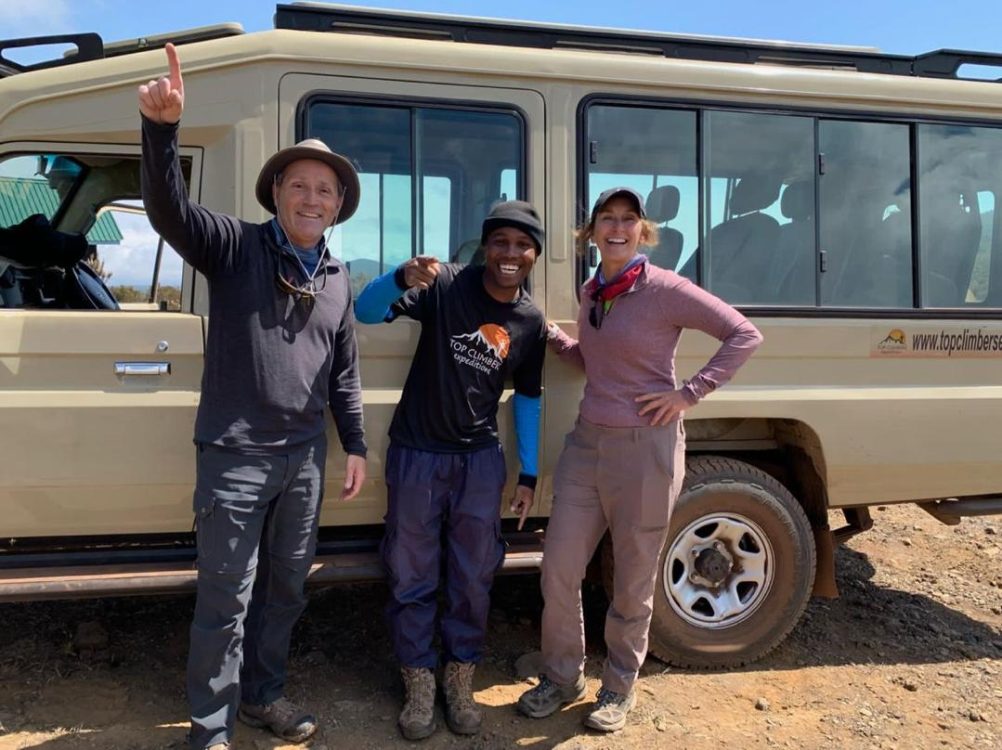
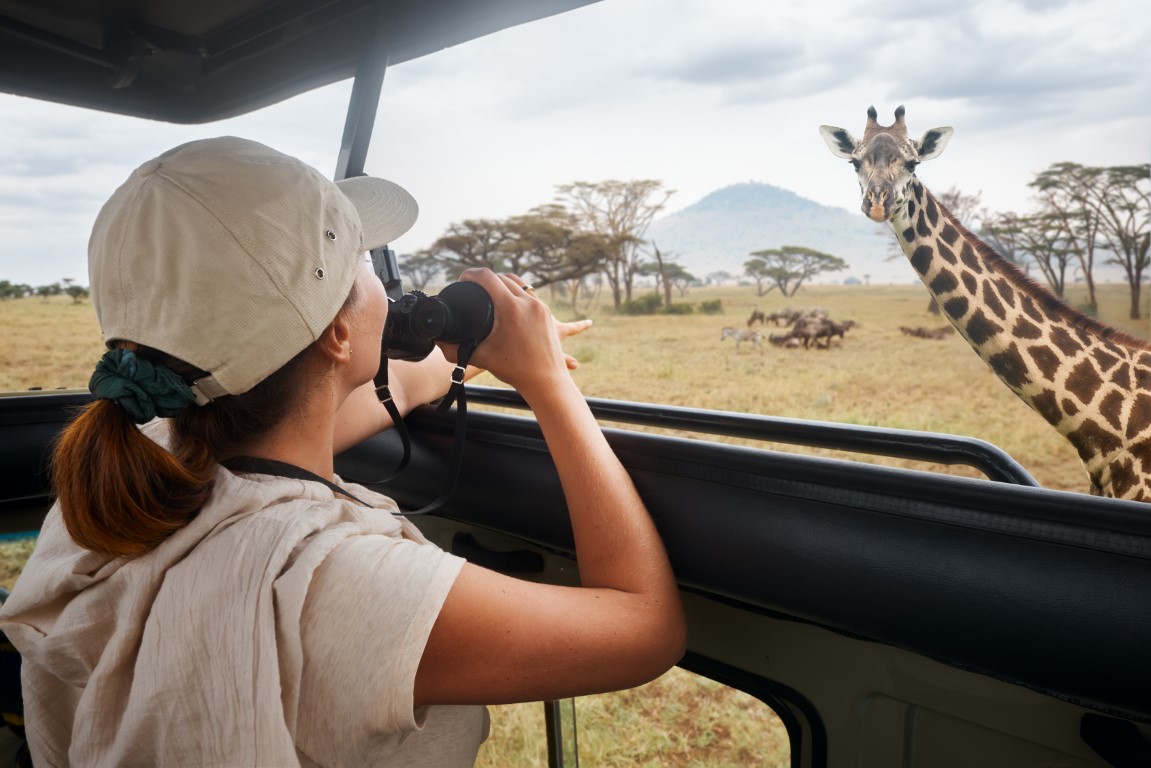
On all our safaris we make use of specially designed and converted Toyota Land cruisers. We have put a lot of thought into adapting them to the rugged African bush, the rough conditions and the bumpy roads, providing maximum comfort and at the same time ensuring the best safari experience for our guests. Our safari vehicles have large sliding windows and pop-up roofs, offering excellent views and giving our guests fantastic opportunities for safe and undisturbed photography while on game drives.

  • Luxurious extensive fleets of 4×4 vehicles are fitted with Wi-Fi connect to keep you connected with friends and family whilst on safari,
  • The latest radio communication equipments with high frequency,
  • A guaranteed window seat for optimal photographic opportunities,
  • An open roof top that enables one to get an amazing view of the parks & nature
  • Fridge that enables you to have a cold drink anytime of the day,
  • Inventors that enable you to charge your electronic devices,
  • A warm African basket in the vehicle with hot water to make African tea or coffee anytime of the day
  • Storage space for luggage so it travels with you
  • More interior space
  • First aid kit
  • Wildlife Books and Maps
  • And you will be guided with throughout the safari by our friendly well trained, professional driver guides.
guides

Our Safari Guides

The safari guide is arguably the most important part of the whole safari experience. Get a great guide and you’ll have an incredible time – regardless of the wildlife, the weather or the lodge. Top Climbers Expedition’s safari Guides knows that fact, great at making conversation, able to relate to people,

Make sure you stay safe, make it interesting even in cases of wildlife no-shows, manage expectations as well as how to keep young children interested.

Safari vehicle seating plan

What to Wear on Tanzania Safari

Safari

If you have never been on safari before, packing can be quite daunting. Are you taking too much, too little, what will the weather be like, are there laundry services, how smart do you have to dress in the evenings? We have all been through this and we have all asked these questions!

1. WHAT CLOTHES SHOULD YOU TAKE ON A SAFARI?

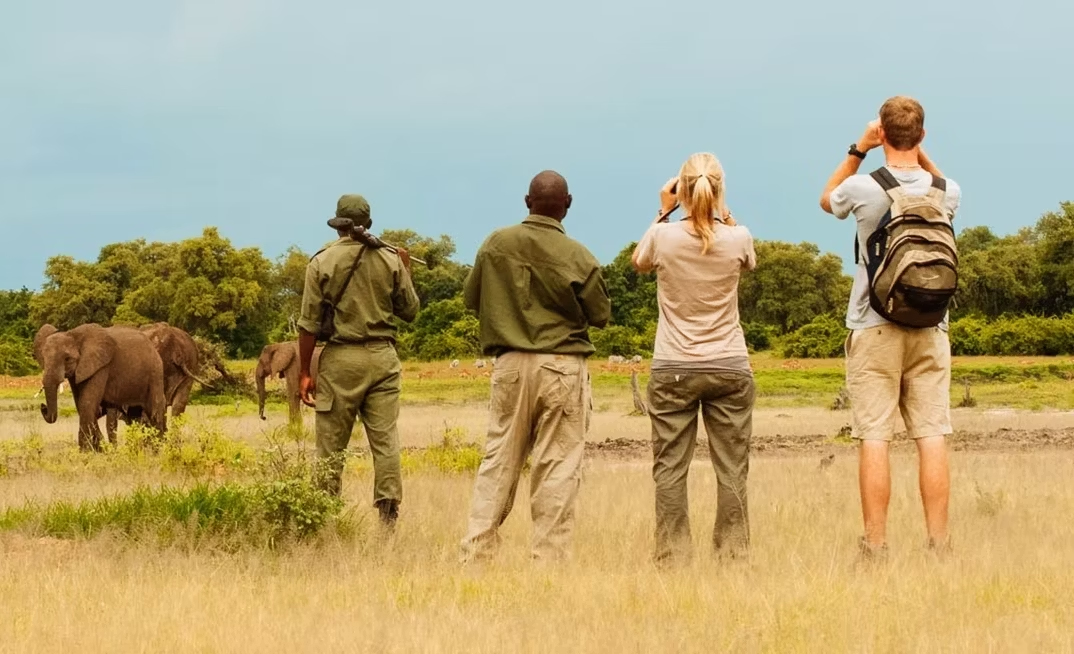
We always suggest wearing neutral colours like earth tones or khaki for your safari, especially if you are doing a walking safari. Try to avoid any bright colours, which are more visible and distracting to others and may attract insects. White clothing is also more visible and will show a lot of dirt very quickly!

In areas where there are tsetse flies, you should avoid blue and dark colours, as this attracts them. You don’t need to buy a whole new wardrobe, just get a couple of neutral-coloured t-shirts or shorts and mix and match these with your normal casual clothes. Remember that a lot of time on safari is spent bumping around in a vehicle and/ or in the hot sun, so dress in loose, comfortable clothes. Long sleeves and trousers will protect more from the sun, insects and (if you are walking) thorns.

Lightweight safari trousers that unzip to become shorts are a great option. For early morning and evenings, when temperatures may drop, we would suggest that you take a fleece with you and even gloves, hat or a ‘snood’ (tube scarf). If you are going gorilla trekking you will also need to take waterproofs with you.

2. HOW SMART SHOULD YOU DRESS?

Ultimately this depends upon the quality of your hotel or safari lodge. In the evenings, the dress is still casual in the vast majority of camps – these are safari lodges, after all. There is no need for a jacket and tie. However, some of Africa’s top lodges, such as Singita and &Beyond, are super-expensive luxury lodges where à la carte dinners are common. Dressing smart casual is always recommended. Either way, you will always want to have long trousers and a light jacket or jumper for chilly mornings or evenings.

3. WHAT FOOTWEAR SHOULD YOU TAKE?

Unless you are doing some major hiking or serious walking safaris when you are in Africa, you will normally just need a good pair of trainers – hiking or proper walking boots are unnecessary.

4. IS THERE A LAUNDRY SERVICE IN THE BUSH?

The vast majority of all lodges in safari Africa provide laundry services and it is usually included in the accommodation cost. It tends to take 24 hours to return laundry, so bear this in mind if you need to get some done before you leave a property. In most places, the laundry service will not include underwear, so there is usually washing powder in your bathroom for these personal items, or more delicate garments.

If you are going on adventurous budget camping safari, then you will have to tend to your own laundry.

5. WHAT IS THE LUGGAGE LIMIT?

Firstly you need to check if you are taking any light aircraft flights – and if you are, check what the luggage allowance is. It is usually 20kg in Southern Africa, with the majority of East Africa’s planes having a limit of 15kg INCLUDING hand luggage! It is also worth stressing that you will need to have a soft-sided bag that can be manipulated into a small hold in the plane. Airlines can be VERY strict on baggage limits, so it’s important to double-check your limit before you travel. 

6. WHAT NOT TO PACK

Tanzania, Kenya, Uganda, and Rwanda have all implemented a strong ban on single-use plastic. This includes plastic carrier bags, which can no longer be imported, exported, manufactured, sold, stored, supplied, and used, in an effort to tackle plastic pollution. In many destinations, offenders will be punished with a hefty fine or even prison time for simply using a plastic bag. We highly recommend that you do not pack any plastic bags when travelling to these destinations

Safari Packing List: what essentials to take on safari to Africa

  • Your luggage should be a soft bag with no wheels for all main luggage packing (if taking an internal flight on light aircraft)
  • Passport (valid for at least 6 months from when you depart Africa)
  • Visas (if needed and if applying in advance for these)
  • Proof of your Travel Insurance (policy number & 24-hour emergency contact)
  • Proof of vaccinations (if needed) and/or anti-malarial medication (if taking)
  • Cash – US Dollars
  • Clothing in neutral tones (khaki, green, brown or grey)
  • Fleece or jumper for early morning/evening game drives
  • Comfortable walking shoes (e.g. running/gym shoes)
  • Sun protection – hat, sunglasses, and sunscreen
  • Lip balm or Vaseline
  • Mosquito repellent
  • Camera
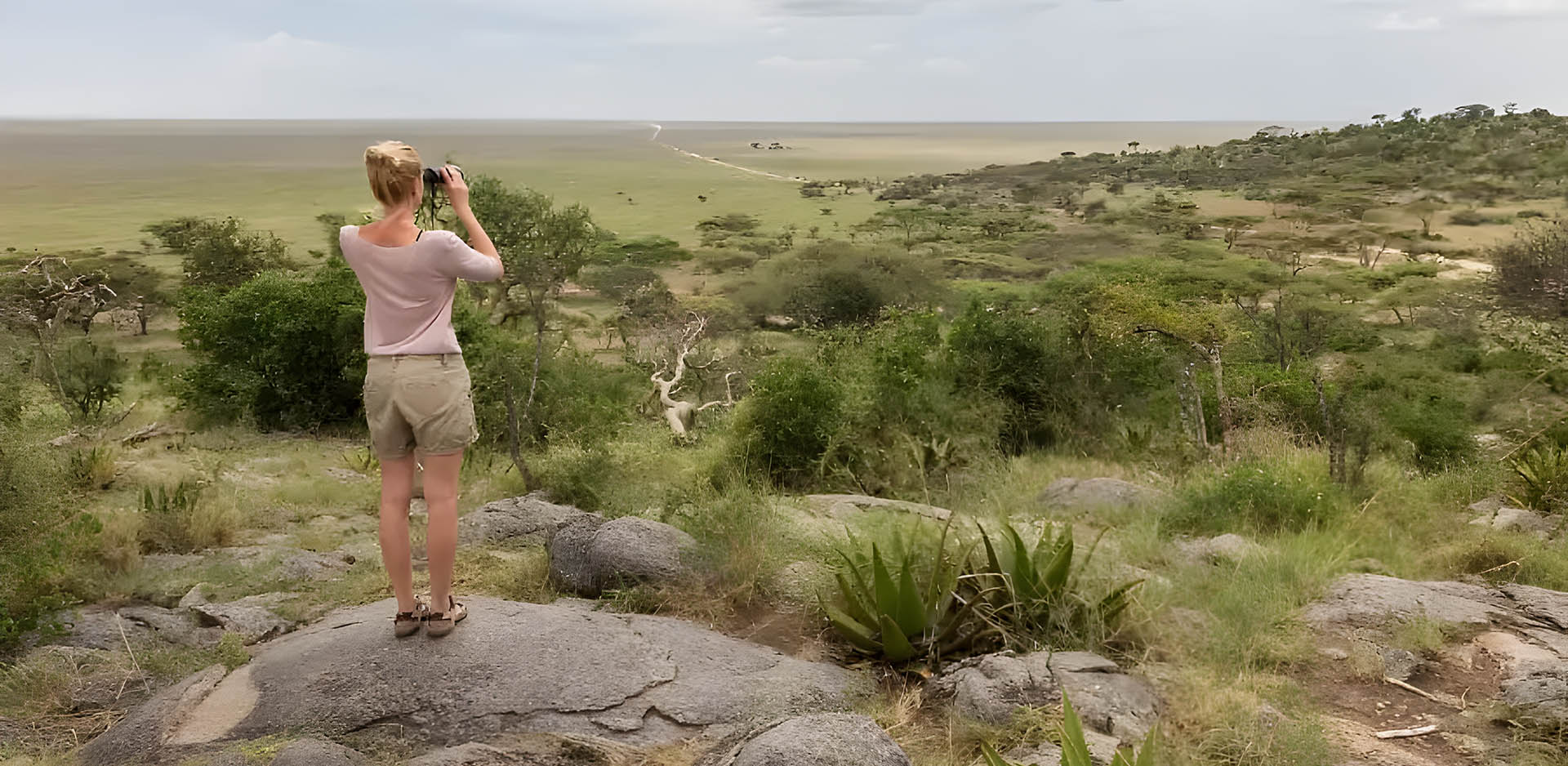
  • Binoculars
  • A good book
  • Gardening gloves (f you are going gorilla trekking for protection against thorns, etc)
  • Toiletries (almost all safari camps and lodges provide towels, basic toiletries (shampoo, shower gel and body lotion), and insect repellent, though of course, you can bring your own)
  • Hand sanitizer

Serengeti wildebeest migration

Safari

The Great Wildebeest Migration is an awe-inspiring natural phenomenon that takes place in Tanzania and Kenya, captivating both nature enthusiasts and wildlife lovers from around the world. This epic migration involves millions of wildebeest, zebras, and other herbivores as they embark on a perilous journey across the vast plains of East Africa. In this article, we delve into the different aspects of this incredible event, from its scale and significance to the challenges faced by the migrating herds and the best times to witness this spectacle firsthand.

What is the Great Wildebeest Migration?

The Great Wildebeest Migration is an annual migration of millions of wildebeest, zebras, and gazelles across the Serengeti ecosystem in East Africa. The migration is a cyclical event, with the herds moving between Tanzania’s Serengeti National Park and Kenya’s Maasai Mara Reserve in search of fresh grazing grounds and water sources.

The Scale and Significance

The migration involves approximately 1.5 million wildebeest, hundreds of thousands of zebras, and various other herbivores. It is one of the last remaining large-scale terrestrial migrations on the planet. The sheer number of animals involved in the migration makes it a remarkable spectacle and demonstrates the intricate balance of the Serengeti-Mara ecosystem.

The migration is of great ecological significance as it helps in nutrient recycling and seed dispersal. The constant movement of the herds stimulates the growth of new grasses and contributes to the health of the ecosystem. Additionally, the migration sustains the predator-prey relationships, ensuring the survival of species such as lions, cheetahs, and hyenas.

wildebeest calving 1

The Migration Routes

  • Western Corridor: The migration begins in the Serengeti’s Western Corridor, where the herds gather in search of fresh grasses. This route is characterized by vast plains and woodlands.
  • Grumeti River: As the dry season progresses, the herds face the challenge of crossing the crocodile-infested waters of the Grumeti River. This is a perilous stage of the migration, where many wildebeest lose their lives to the waiting predators.
  • Mara River: The Mara River crossing is the most dramatic and iconic part of the migration. The herds must navigate the strong currents and evade the jaws of hungry crocodiles while attempting to reach the lush grasslands of the Maasai Mara.

Seasonal Changes and Timing

The migration is influenced by the availability of food and water. The wet season, typically from November to May, sees the herds spread across the southern Serengeti and the Ndutu Plains, where they give birth to their young. This period is known as the calving season and offers opportunities to witness adorable newborn animals.

As the dry season progresses, usually from June to October, the herds start their northward movement toward the Maasai Mara. The river crossings at the Grumeti and Mara Rivers usually occur during this period and provide awe-inspiring sights for spectators.

Wildlife Interactions and Predators

During the migration, wildebeest and zebras have a unique symbiotic relationship. Zebras, with their strong memories, lead the way and help the herds locate water sources. Wildebeest have a superior sense of smell and can detect predators better. Together, they form a cooperative unit, increasing their chances of survival.

Predators play a crucial role in the migration. Lions, cheetahs, hyenas, and crocodiles take advantage of the abundance of prey. They strategically position themselves along the migration routes, waiting for opportunities to strike. This interaction between predator and prey adds an intense and dynamic element to the migration.

Conservation and Challenges

Conservation efforts are vital to protect the Great Wildebeest Migration and its associated habitats. Efforts include the establishment of national parks, protected areas, and community-based conservation initiatives. Sustainable tourism practices and responsible wildlife viewing play an essential role in preserving the migration while generating economic benefits for local communities.

However, the migration faces several challenges. Habitat loss due to human activities, climate change, and human-wildlife conflicts are ongoing threats. Addressing these challenges and raising awareness about the importance of conservation are crucial to ensure the continuity of this natural spectacle for future generations.

Conclusion

The Great Wildebeest Migration stands as a testament to the marvels of the natural world, captivating both wildlife enthusiasts and casual observers alike. As millions of wildebeest navigate treacherous terrains and face numerous obstacles, they remind us of the resilience and beauty of nature. By understanding and appreciating this extraordinary event, we can work towards its preservation and ensure the survival of one of the world’s greatest natural wonders. Plan your visit wisely, pack your camera, and prepare to witness this unforgettable journey firsthand.

Copy-of-TZ_NorthSerengeti_BeyondKleinsWildlifeMigration