5 Star Rated Tour Operator in Tanzania
★★★★★ Rated 5 out of 5

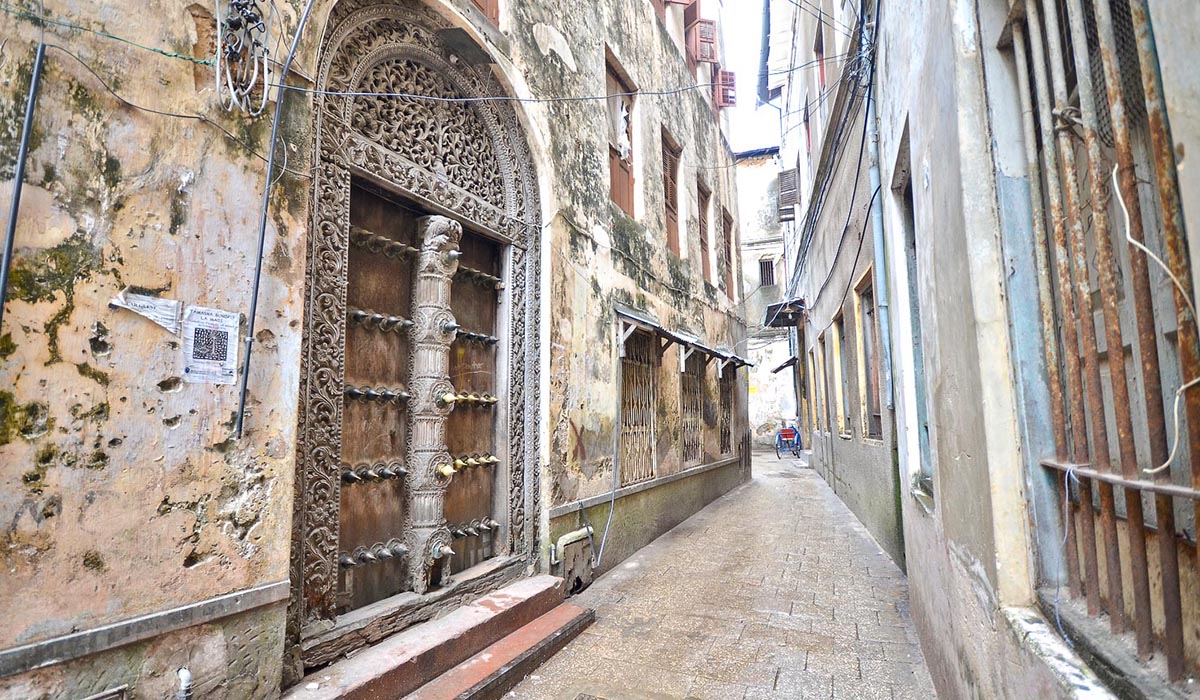
Zanzibar is a Tanzanian archipelago off the coast of East Africa. On its main island, Unguja, familiarly called Zanzibar, is Stone Town, a historic trade centre with Swahili and Islamic influences. The island is famous for its mix of exotic beaches, famous spice plantations, history (Stone Town is the capital) and diverse culture. Unguja (the main island in Zanzibar) is also home to many endangered species including the red colobus monkey and green turtle.
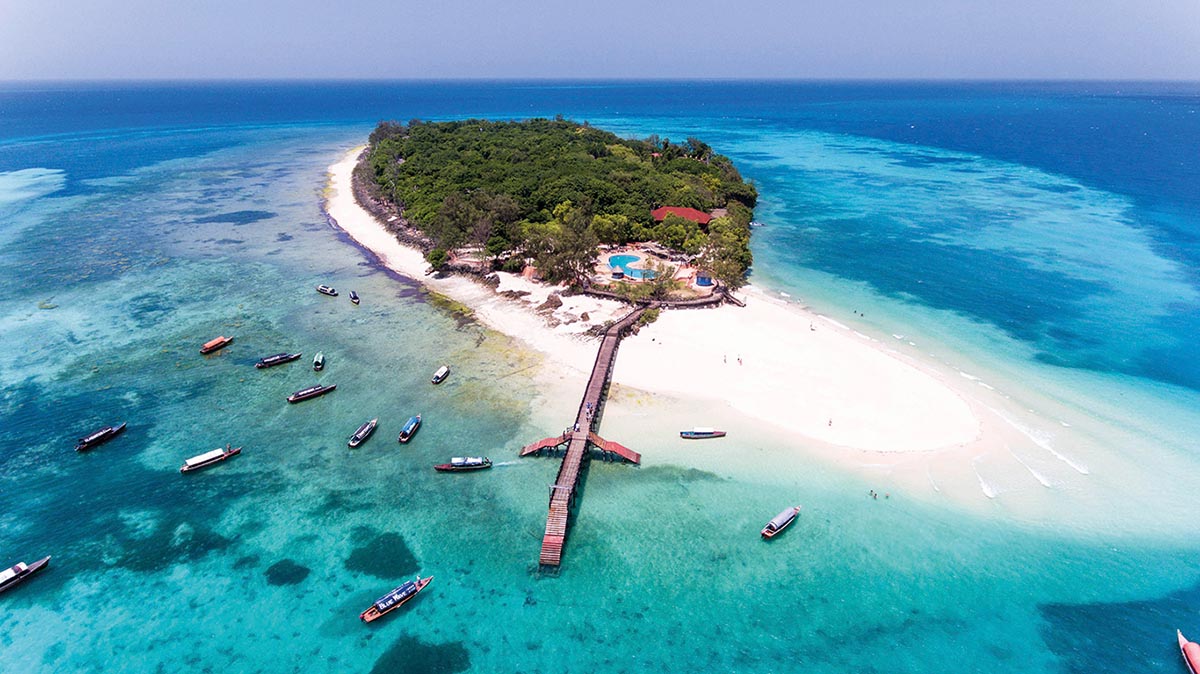
The North and East Coast of Unguja have particularly inviting beaches with powder white sand lapped by turquoise blue warm waters of the Indian Ocean and framed by many coconut and wild date palms. This makes for an ideal location to relax particularly after a safari or trek up Kilimanjaro. There are many excursions and water sports for people to indulge in and a whole range of accommodation.


What makes Zanzibar different to other tropical island destinations is the eclectic mix of sun, sea, sand and spice. But there is much more – authentic history, culture and a variety of excursions that makes this one of the most popular all-round beach destinations for people of all ages and interests. Apart from this, a whole range of endangered species can be found in the warm tropical waters around the archipelago – from bottlenose dolphins and green turtles to the once assumed extinct coelacanth.
Zanzibar also hosts annual festivals and events drawing people from all over East Africa and the world.

To enter in Tanzania a valid passport for at least 6 months from the date of entry is required. Kindly ensure that you have at least 3 blank pages for the entry and exist stamps. A valid return ticket is also required. You can consult your nearest Tanzania consulate about visa requirements.
Travelling within Zanzibar is mainly facilitated by the initiations of the private sector small enterprises. Several companies operate shuttled transfers to and from the entry points. It is important to note that in self driving services you have to fulfill certain requirements including possession of a valid international driving license. Currently most of the roads are tarmac and are passable throughout the year. Zanzibar uses the left hand driving model.
All travelers to Zanzibar are advised to have their vaccination at least 36 hours before their journey in the countries of their residence. In the circumstances or any reason that a traveler could not have yellow fever vaccination in his/her county of origin can be obtained at the major entry point in Tanzania. It is wise to be up to date on tetanus, polio and diphtheria, and hepatitis A. Immunisations against meningococcus and rabies may also be recommended.
Tanzania uses shillings (Tanzania shillings) as its National Currency, which is both, notes and coins. Foreign currencies can be exchanged at the Bureaus, Banks and some Hotels. Credit cards are widely accepted in Zanzibar, most common Master Cards, Visa.
Being situated near the equator Zanzibar is generally warm and humid throughout the year and as such it is advisable to wear light and decent clothes. In winter time along the beach, the condition may be relatively cooler and sometime windy. Sun glasses are recommended especially to the first time visitor.
As an Island Zanzibar can only be reached either by air or water. It is connected to international World by several airlines directly or otherwise, Ethiopian Airlines, Qatar Air, Fly Dubai, Oman Air and Kenya Airways connected to the rest of the world. Zanzibar is also served by scheduled charter companies.